What is Chinese Medicine?
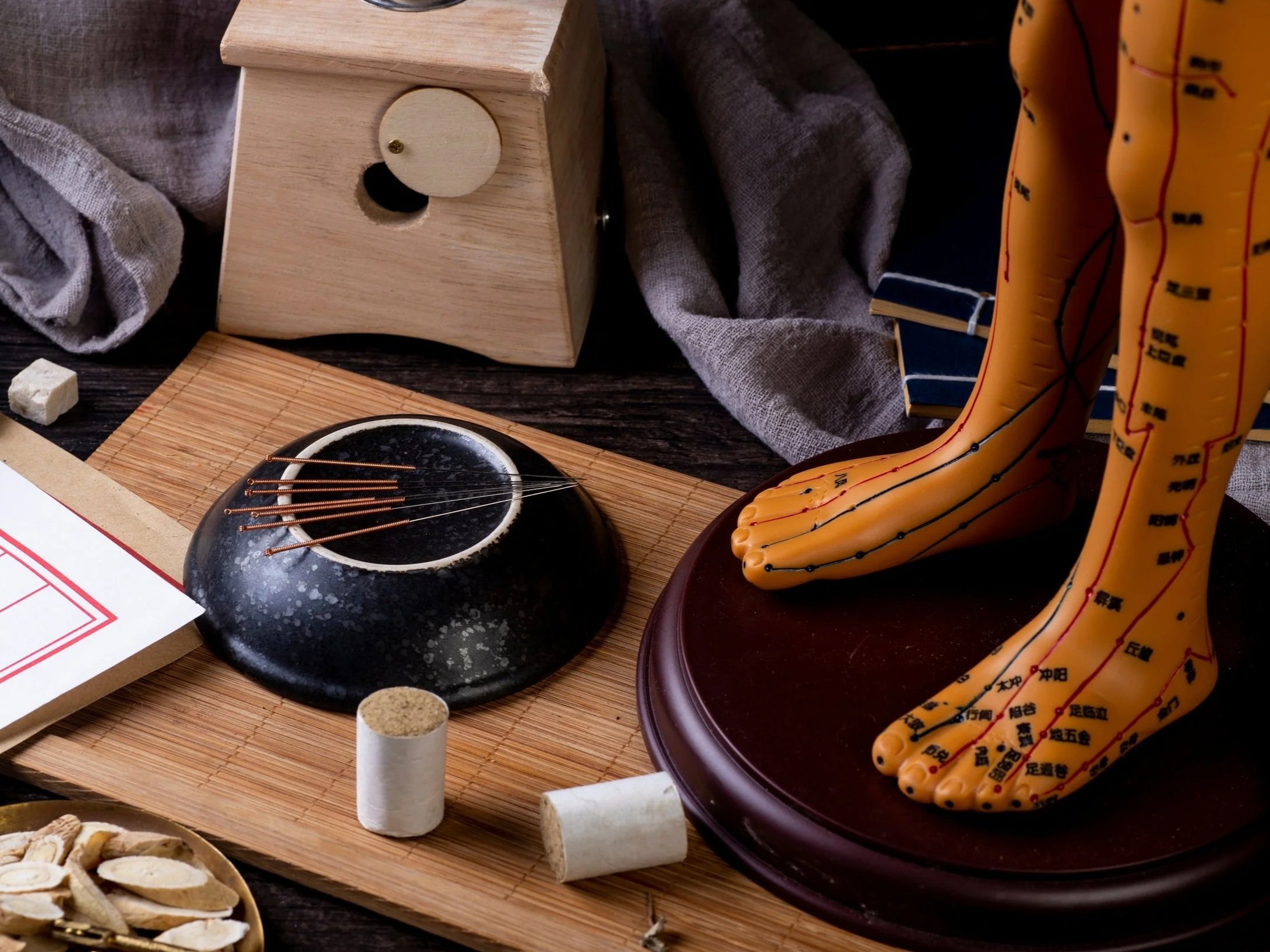
Chinese medicine is a complete, holistic system of health that’s existed for thousands of years. It’s based on the idea that our bodies have an innate ability to heal, and that symptoms – whether it’s pain, stress, irregular digestion or other issues – are often connected and signs that something is out of balance.
One of the core concepts of Chinese Medicine is Qi, or energy. Qi flows throughout the body, and when this flow is smooth and balanced, we feel well. However, when it gets stuck – due to stress, injury, lifestyle, or emotional tension – we start to see symptoms.
Chinese Medicine uses tools like acupuncture (needle therapy), moxibustion (warming herbs), cupping (suction therapy), gua sha (gentle gliding technique) and lifestyle and dietary therapy to help restore the natural flow of energy in the body.
How does acupuncture work?
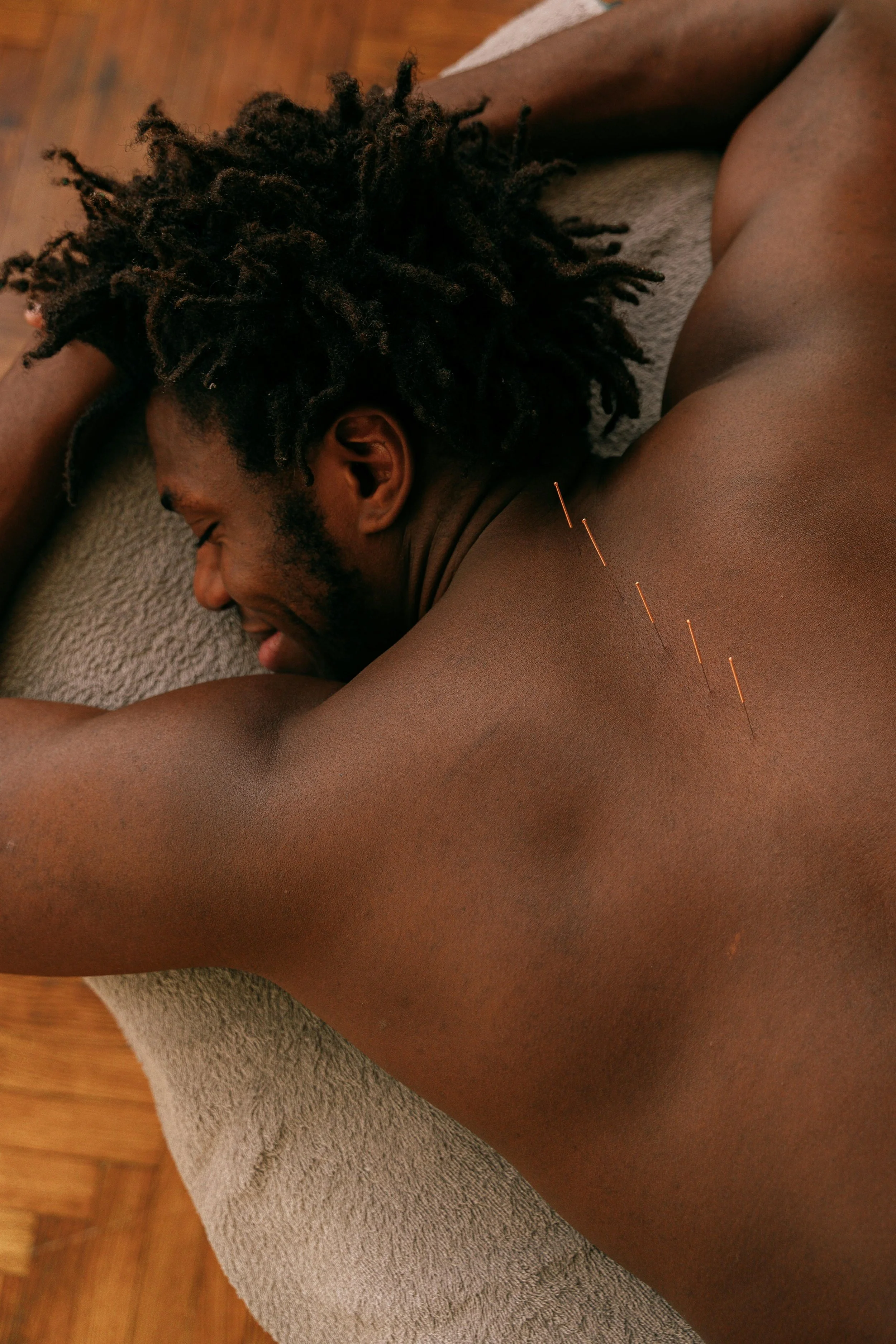
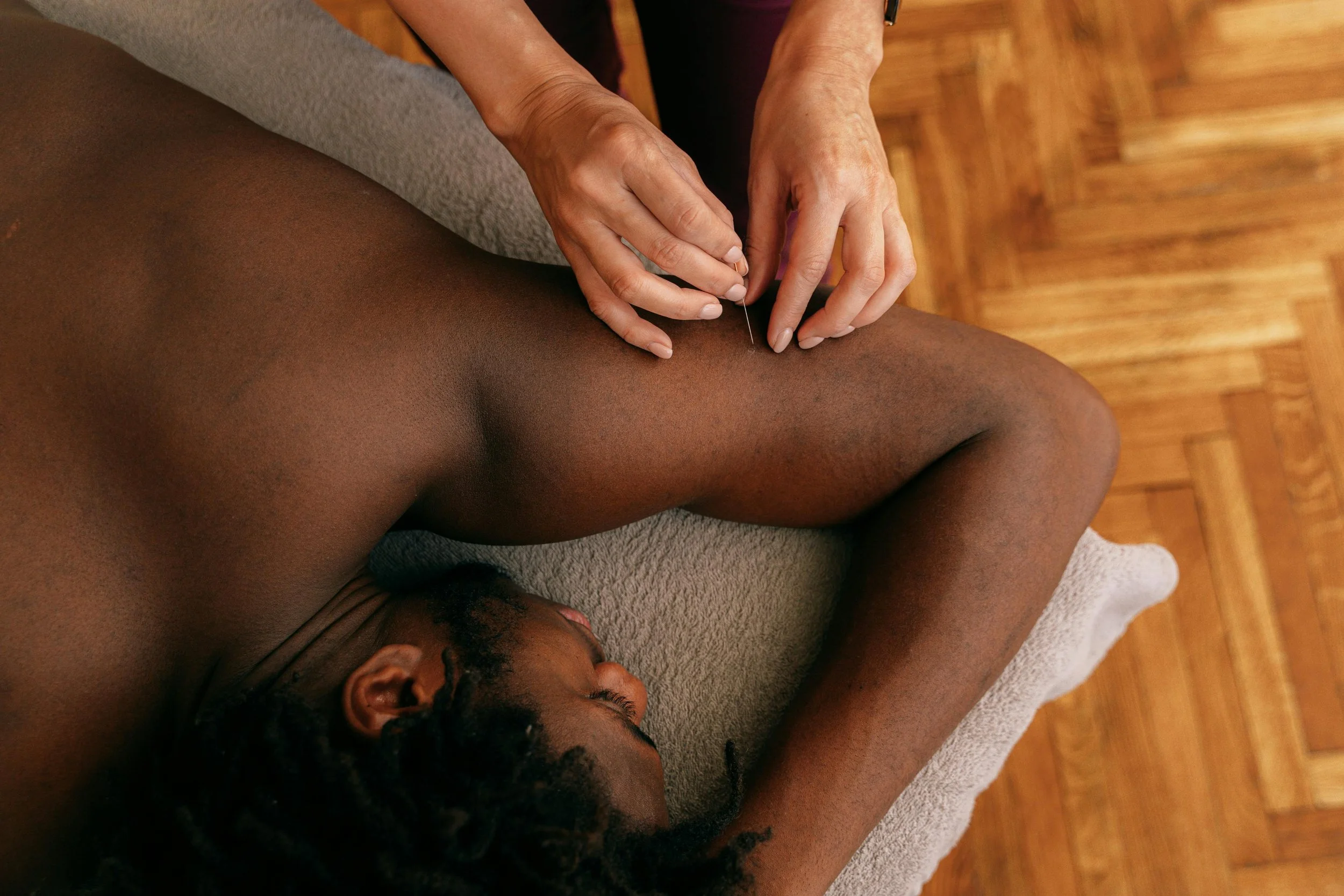
Acupuncture is one of the best-known tools in Chinese medicine and is used to treat a wide range of both physical and emotional conditions. Rooted in thousands of years of history and backed by evidence-based research, it involves placing ultra-thin, sterile needles into specific points on the body. These points are chosen based on your unique pattern – so every treatment is completely personalised.
From a Western perspective, acupuncture helps regulate the nervous system, improves circulation, reduces inflammation and releases natural pain-relieving chemicals like endorphins.
But perhaps more importantly – it helps your body remember how to heal itself. It’s like pressing a reset button that allows your system to move out of "fight or flight" mode and into "rest and repair" mode. As the focus of the treatment is on the root cause of the problem, not just the symptoms, acupuncture can not only help to restore good health, but help to maintain it too.
How can acupuncture help?
Traditional Chinese Medicine is one of the oldest forms of medicine, that has existed for thousands of years. It’s a comprehensive, holistic system of health that can address countless health conditions. The World Health Organisation has identified many conditions that respond well to acupuncture, including:
Cardiovascular and circulatory: Hypertension, hypotension, Raynaud’s syndrome
Digestive: Irritable bowel syndrome (IBS), gastritis, ulcerative colitis, nausea and vomiting, gallstones, cholecystitis
Gynaecological: Dysmenorrhoea (menstrual pain), premenstrual syndrome (PMS), polyendocrine metabolic ovarian syndrome (PMOS)
Mental-emotional: Anxiety, depression, stress, schizophrenia
Musculoskeletal: Back pain, knee pain, neck pain, arthritis, sciatica, sprain, tennis elbow, temporomandibular joint (TMJ) dysfunction, gout
Neurological: Headaches, migraines, Bell’s palsy, Parkinson’s disease, restless legs syndrome, stroke, neuralgia, Tourette’s syndrome, vascular dementia
Obstetrics: Fertility, correcting a breech presentation, encouraging the natural onset of labour, morning sickness, lactation deficiency
Pain: Fibromyalgia, postoperative pain, dental pain, earache, eye pain, facial pain, cancer pain, abdominal pain
Respiratory: Sinusitis, rhinitis (including hay fever), asthma, whooping cough
Urogenital: Urinary tract infection, kidney stones
Other conditions: Insomnia, obesity, leukopenia, acne, alcohol/tobacco/drug dependence and detoxification, diabetes, sexual dysfunction, prostatitis, Sjögren's syndrome, tonsillitis and sore throat
Why choose acupuncture?
Gentle, restorative and personalised support spanning physical, mental, and emotional health
Evidence-informed approach, supported by meta-analyses and systematic reviews for key health and wellbeing outcomes
Holistic approach that integrates with lifestyle and dietary advice, stress management and self-care
Fewer side effects than many medications
Lasting relief – benefits can continue for months after treatment