Therapies
Chinese Medicine is more than just tiny needles. It includes a variety of therapies that are based on a holistic approach which aim to restore balance in the body. Every treatment is completely unique, as it focuses on the body as an integrated whole, considering the person’s relationship with their natural environment. Although acupuncture is the backbone of my practice, I combine a number of different therapies in my approach, and any additional modalities that may be appropriate to your treatment plan are included at no additional cost.
Acupuncture
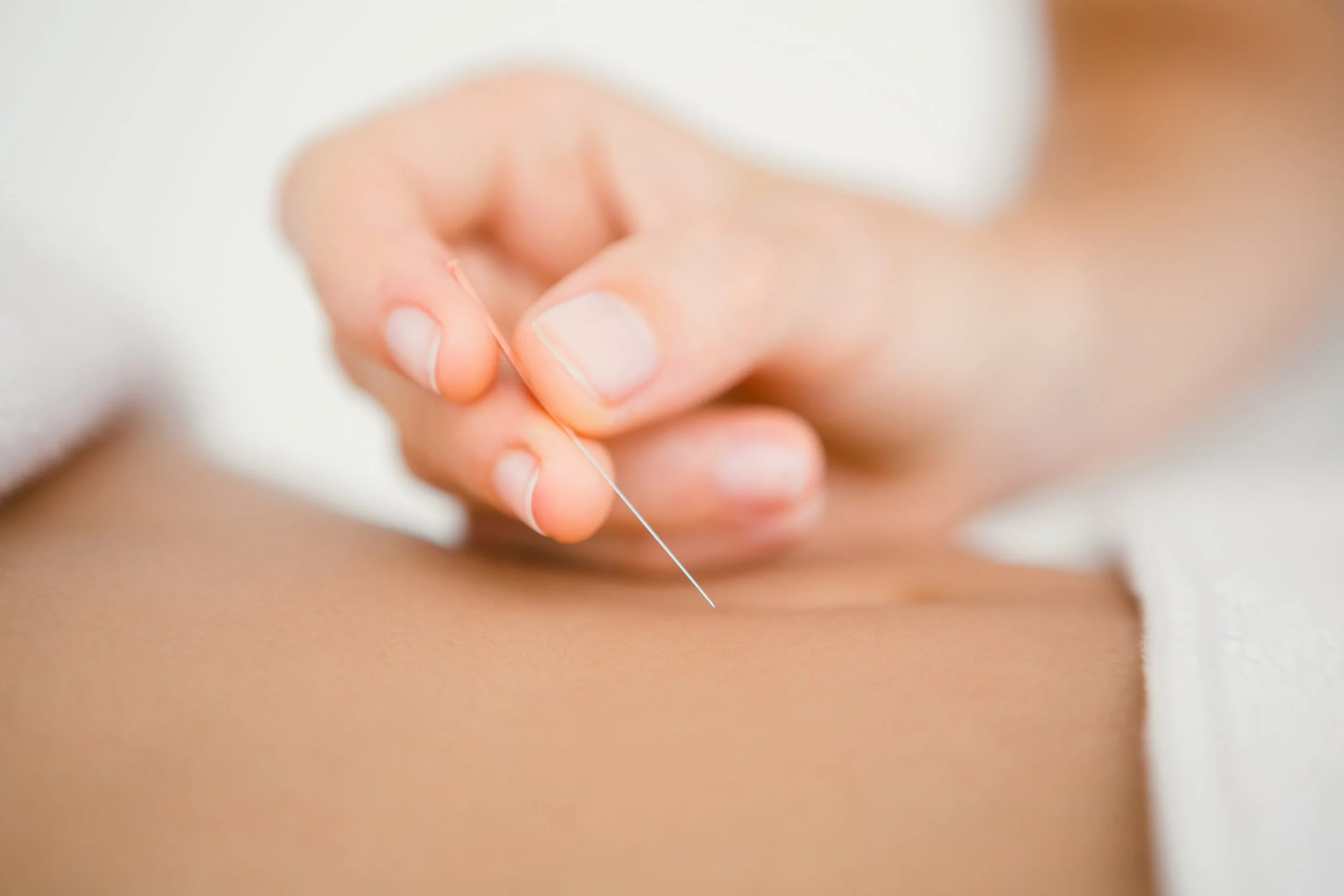
Acupuncture is one of the oldest healing practices in the world, dating back thousands of years. It involves the insertion of very fine, sterile needles into specific points on the body. Illness and pain arise when energy becomes blocked or imbalanced. By stimulating acupuncture points, the natural flow of energy is restored, promoting physical and emotional balance. Modern research suggests that acupuncture also triggers the release of endorphins and influences the nervous system, making it effective for managing pain, reducing stress, improving sleep and supporting overall wellbeing.
Electroacupuncture
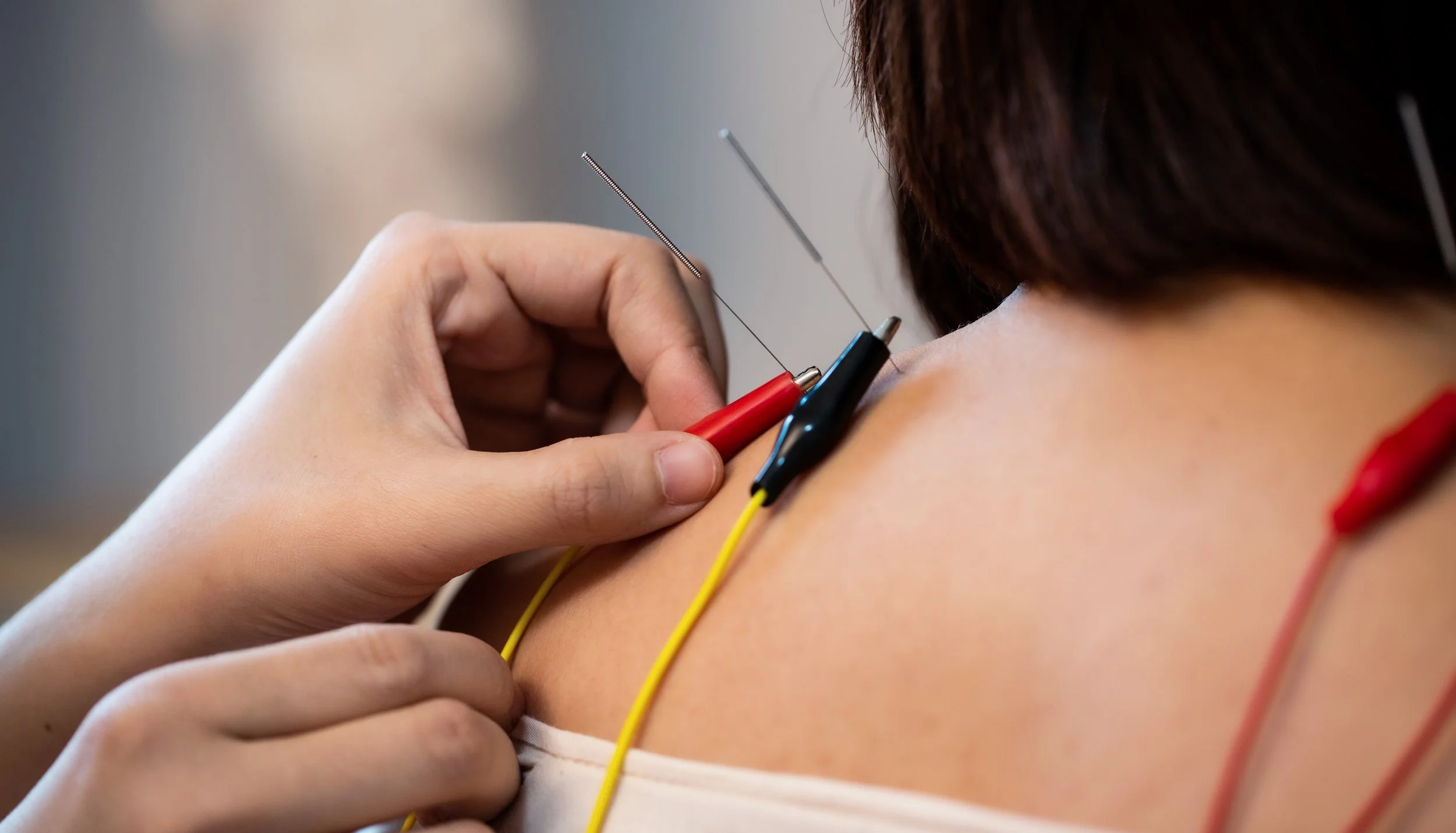
Electroacupuncture is a modern adaptation of traditional acupuncture that incorporates gentle electrical currents to enhance the therapeutic effects of the treatment. Small electrodes are attached to acupuncture needles once they are inserted, delivering a mild, continuous pulse. Electroacupuncture is particularly effective for pain management, muscle tension, inflammation and neurological conditions, as it helps to promote circulation, reduce pain signals and encourage the body’s natural healing process. It is often used alongside traditional acupuncture to provide deeper, longer-lasting relief.
Cupping
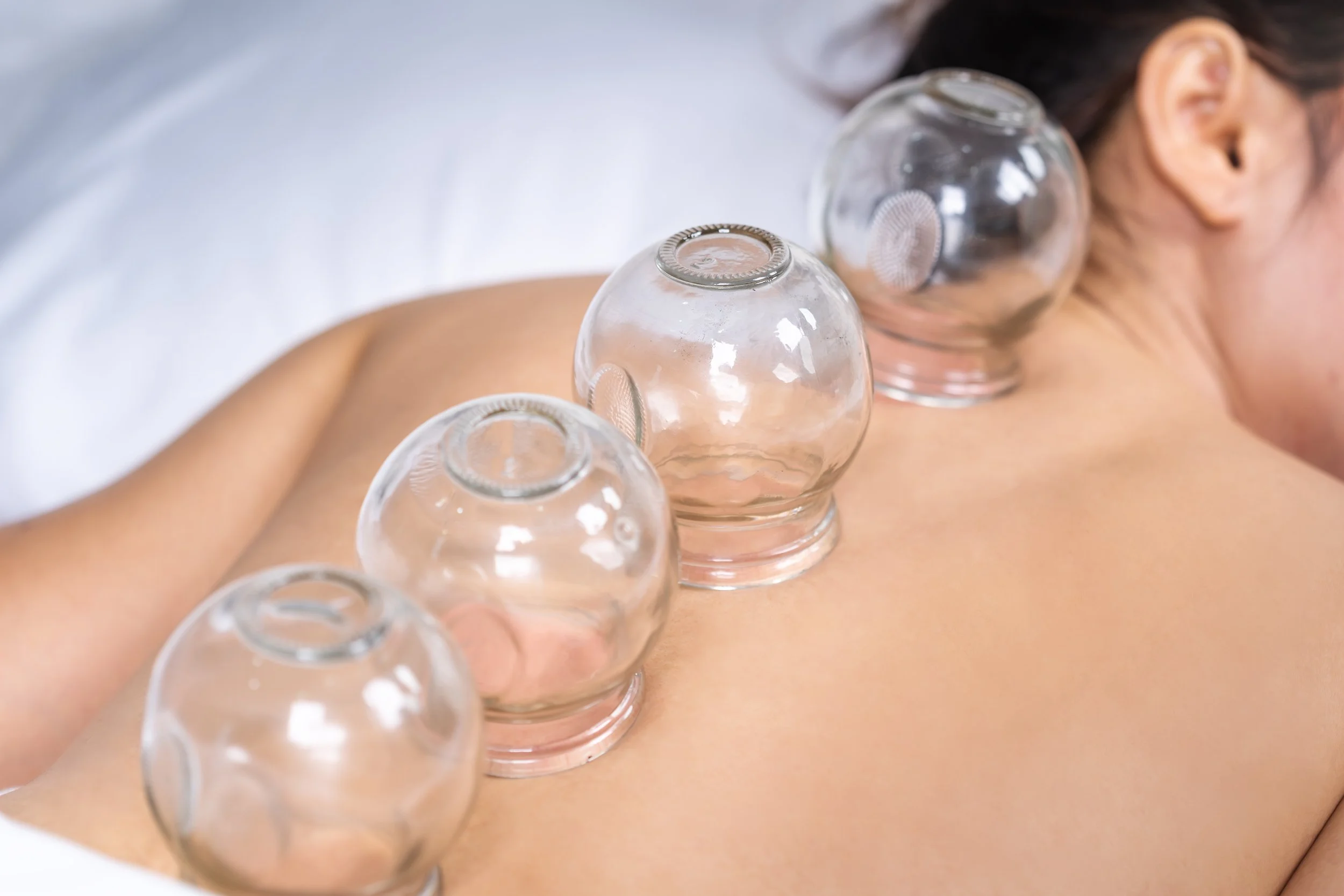
Cupping therapy is an ancient healing practice that dates back thousands of years. It involves placing cups made of glass on the skin to create suction. This suction increases blood flow and improves circulation, easing muscle stiffness and helping to release toxins from the body’s tissues. Many people find cupping deeply relaxing, and it is often used to relieve back and shoulder pain, reduce inflammation and support recovery from colds or fatigue.
Moxibustion (moxa)
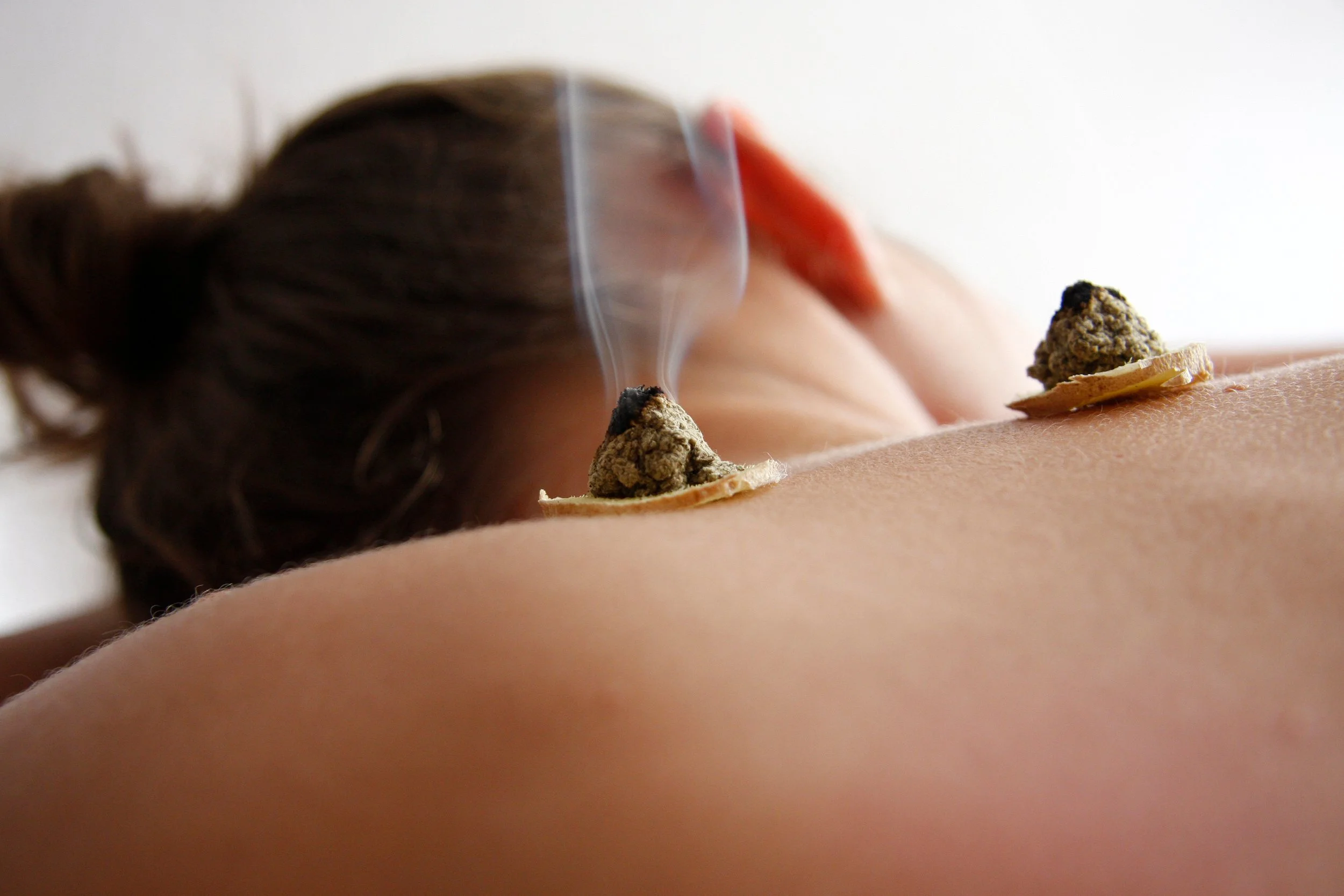
Moxibustion, or moxa, is a warming therapy that has been used in Traditional Chinese Medicine for centuries to strengthen the body and promote healing. It involves burning dried mugwort (Artemisia argyi) either directly on acupuncture points or indirectly above the skin to warm and stimulate the flow of energy and blood. The soothing heat penetrates deeply, encouraging circulation. Moxa is traditionally used to boost vitality, improve digestion, relieve menstrual pain and support immune health. It’s also famously used in prenatal care to help turn breech babies into the optimal position for birth.
Gua sha
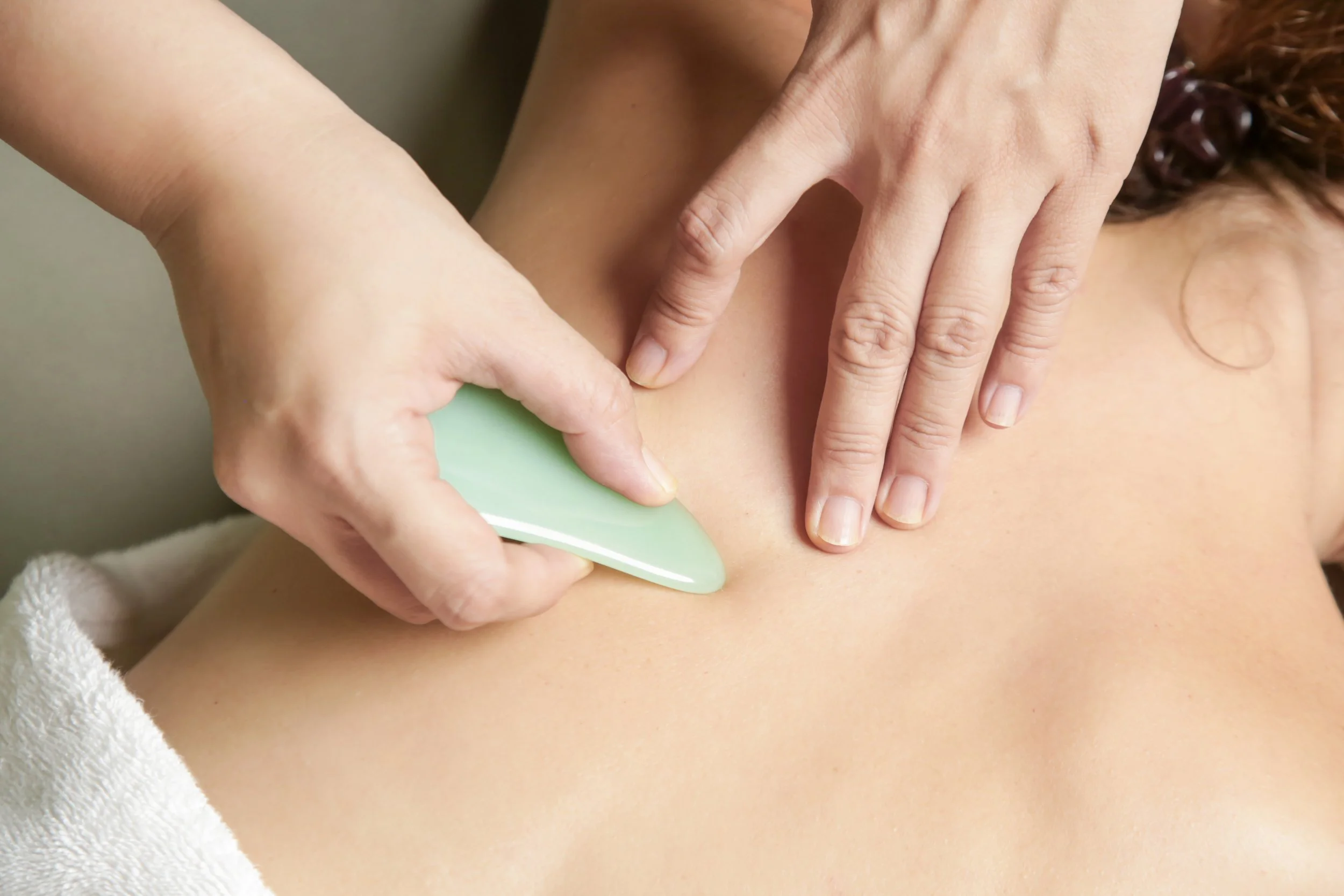
Gua sha is a traditional East Asian therapy that involves gently gliding the skin with a smooth-edged tool to stimulate microcirculation and release muscle tension. This practice has been used for centuries across China and neighbouring cultures to treat pain, stiffness, colds and fevers. In modern holistic care, gua aha is valued for relieving tight muscles, reducing inflammation, supporting the immune system and promoting lymphatic drainage.
Lifestyle & dietary therapy
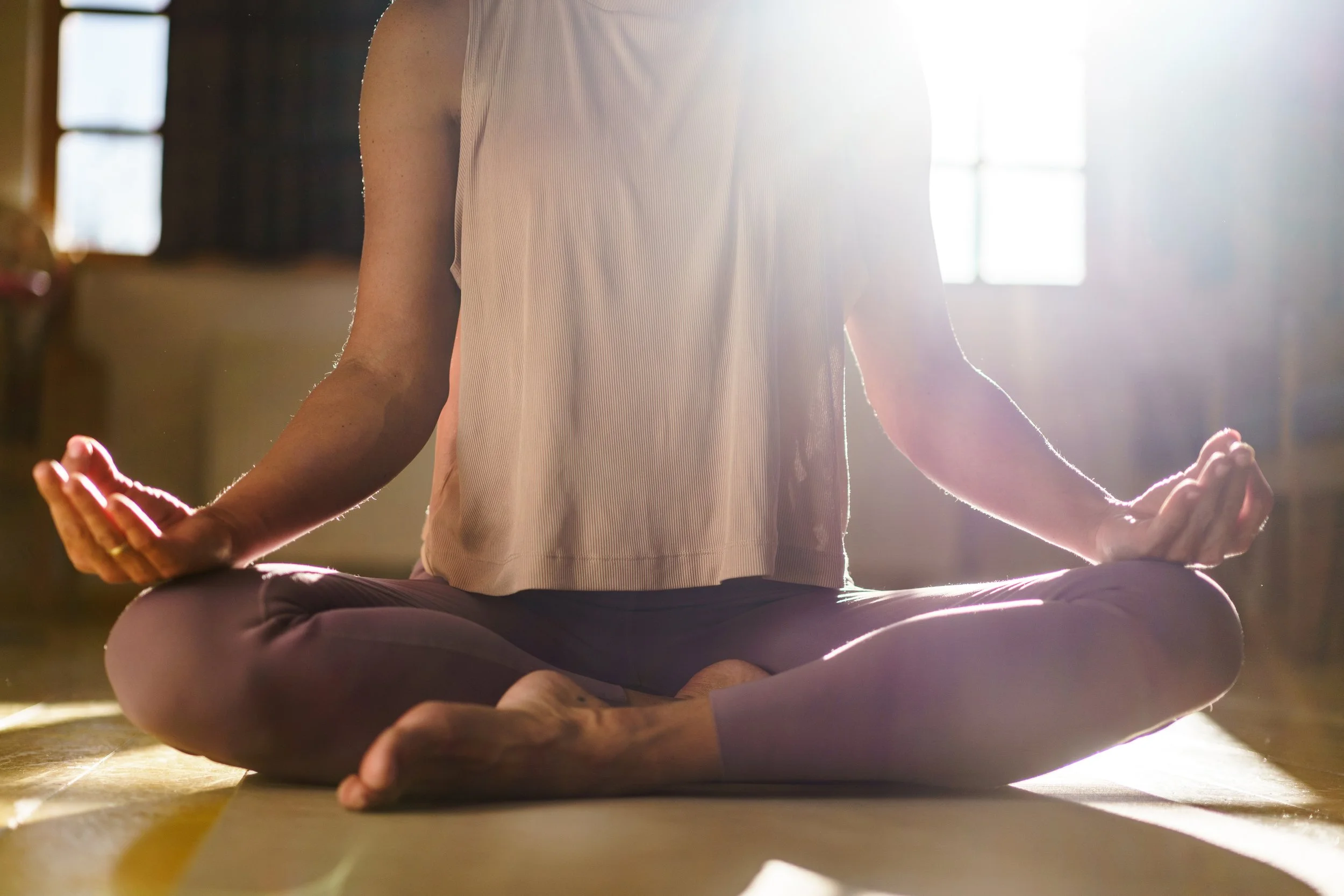
In traditional Chinese medicine, lifestyle and diet are seen as key pillars of health, forming the foundation for balance and longevity. Guidance is personalised based on each person’s constitution, environment and current health status. Dietary advice in TCM emphasises eating in harmony with the seasons, balancing warming and cooling foods, and choosing meals that support digestion and energy levels. While lifestyle recommendations help to align daily habits with the body’s natural rhythms, so individuals can prevent illness, enhance resilience, and maintain a greater sense of harmony and vitality.